FOUNDED
IN
VOLUNTEERS
HOSTED
m² AGRO
FORESTRY
TREES
PLANTED
COFFEE
PLANTS
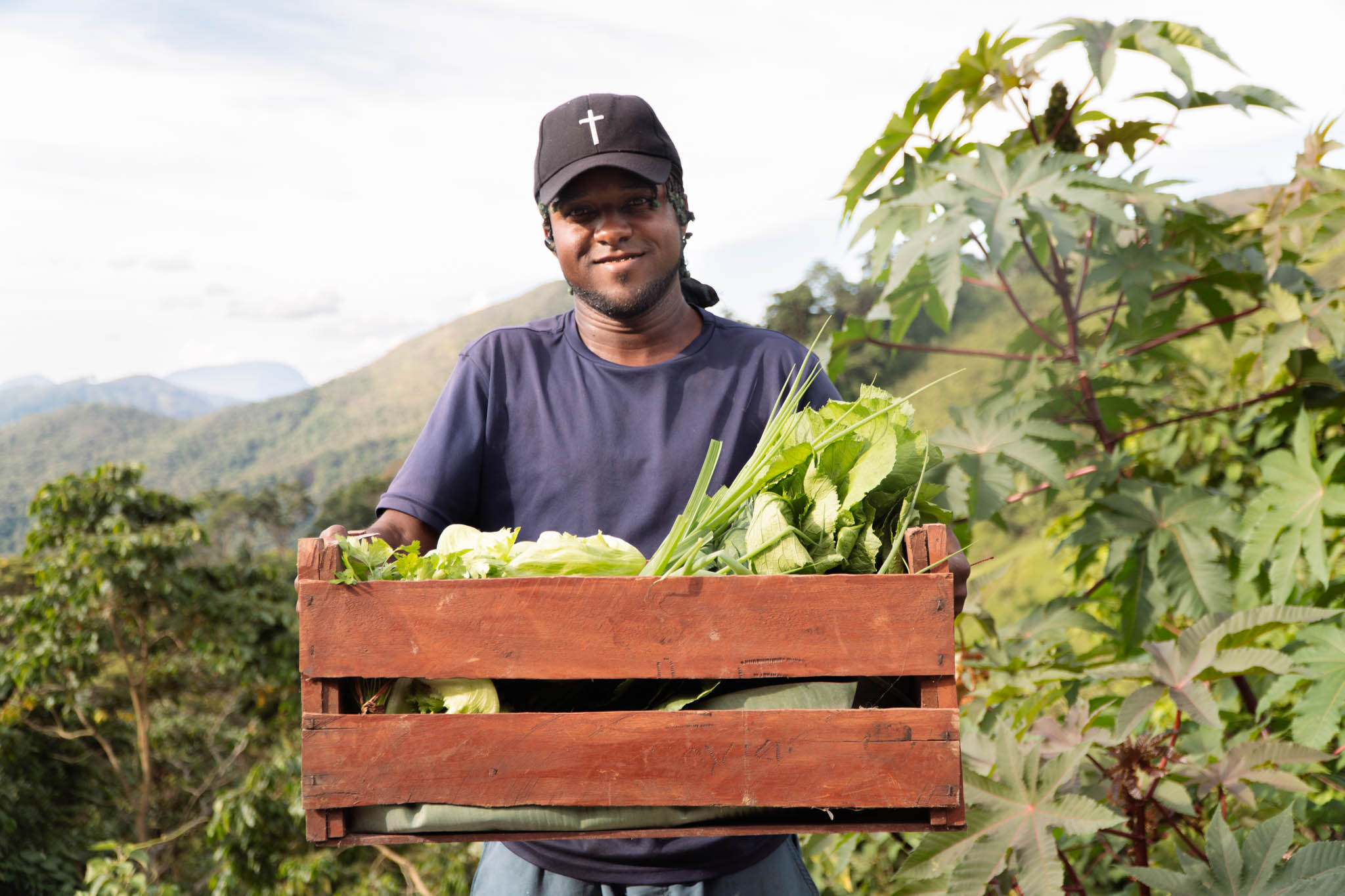
OF FOOD
GROWN
ON SITE
NATURAL
BUILDINGS
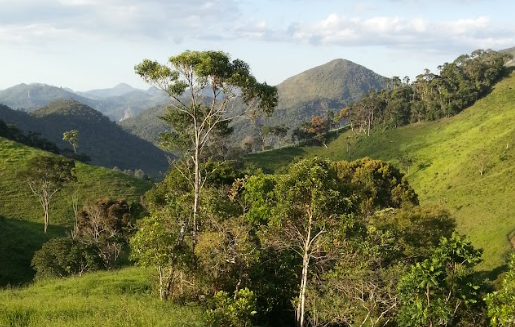
Eco Caminhos is a leading permaculture farm and knowledge hub in Brazil’s Atlantic Forest, where people reconnect with nature and learn practical solutions for sustainable living. Located in Nova Friburgo, Rio de Janeiro, we demonstrate how humans can restore ecosystems while building resilient communities and healthy local economies,through permaculture, agroforestry, and natural building.
Permaculture is a holistic design system that enables people to live in harmony with nature by mimicking the resilience, diversity, and sustainability of natural ecosystems. Coined by Bill Mollison and David Holmgren in the 1970s, it originally meant permanent agriculture, but later expanded to permanent culture to include the social and ethical dimensions of sustainable living.
Permaculture provides practical principles for organizing food production, water systems, buildings, energy use, and community life so that human activities regenerate rather than degrade the environment.
At Eco Caminhos, permaculture principles are the guiding philosophy behind everything we do.
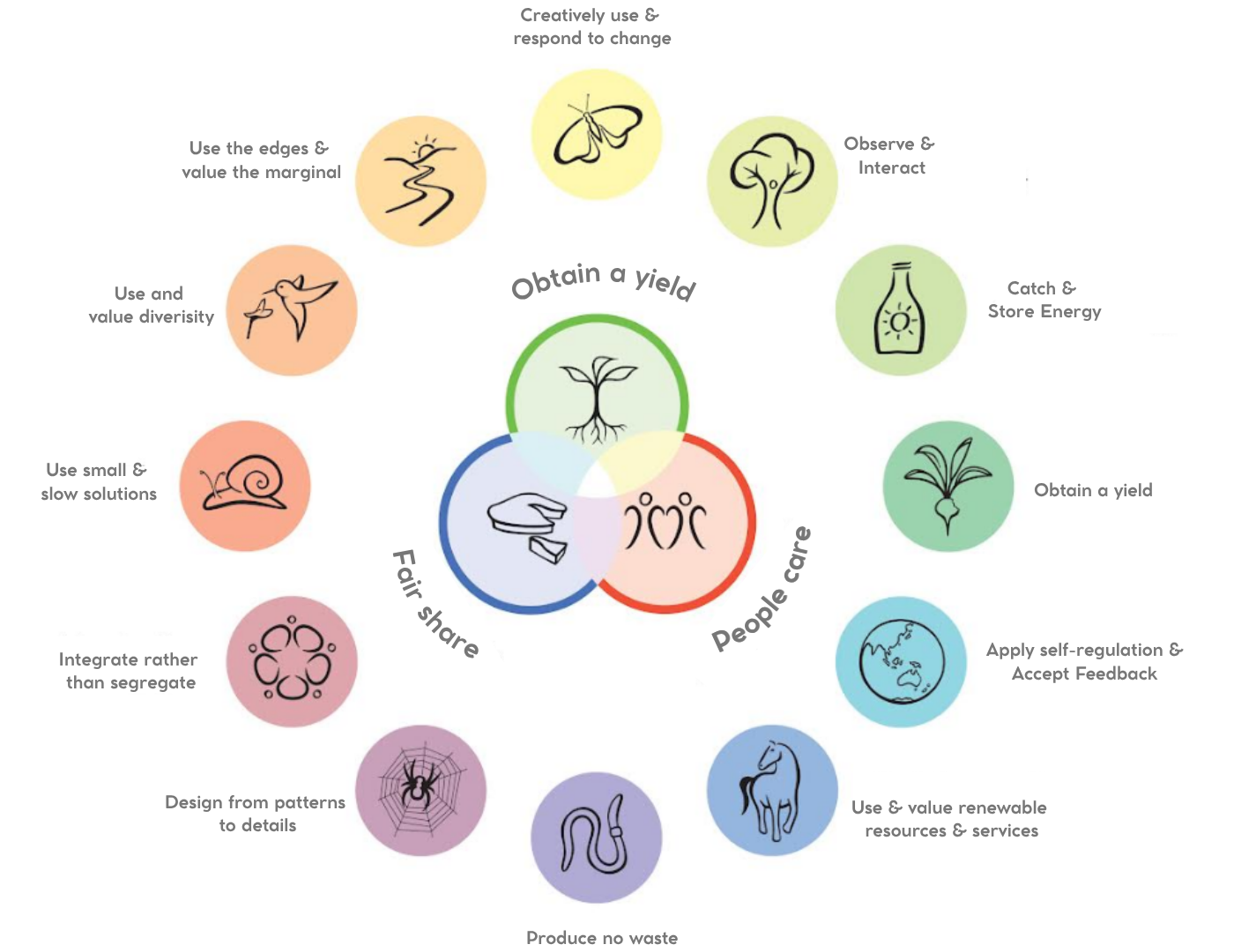
Our vision is deeply aligned with the philosophy of permaculture: Create conscious regions that harmonize regenerative agriculture, life and community with nature.
Modern society has become incresingly disconnected from the natural systems that sustain life. Through our work we aim to connect people with these systems and demonstrate practical ways for a sustainable living.
Eco Caminhos is part of the broader concept of Ecolibrium, where ecological balance and human development work together to create resilient regenerative regions.
We also recognize that for permaculture to truly thrive, it must include financial regeneration. That’s why we integrate tourism, product sales, farm-to-table meals, and educational courses to enhance the resilience of our permaculture farm in Brazil.
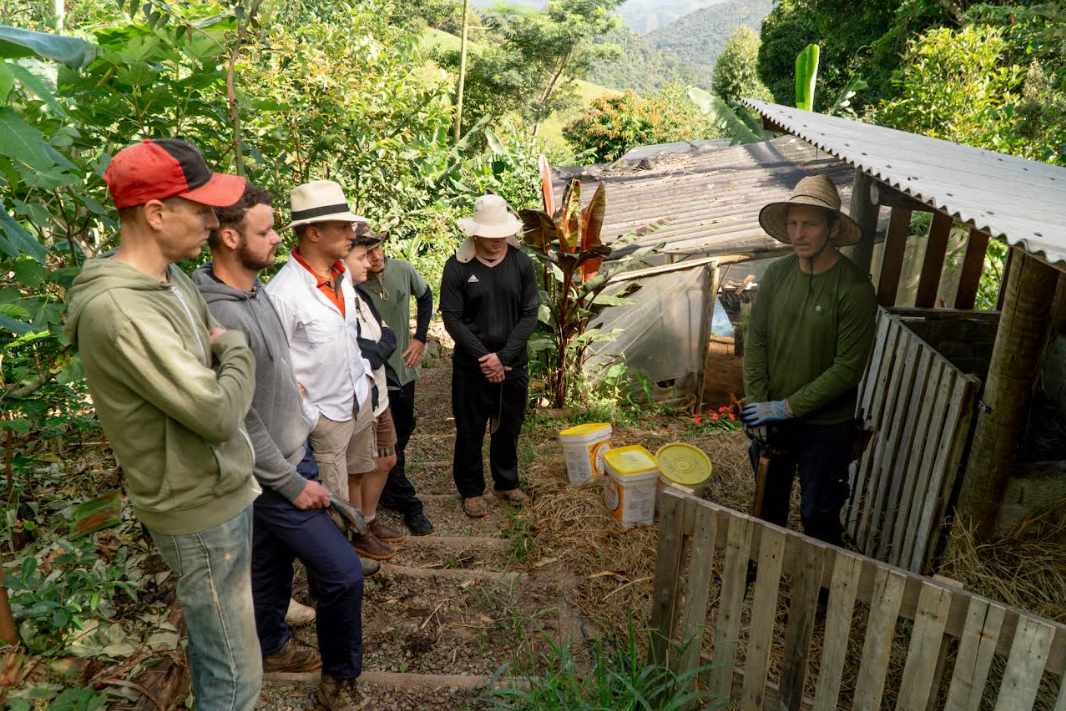
People are at the heart of permaculture and at the heart of Eco Caminhos.
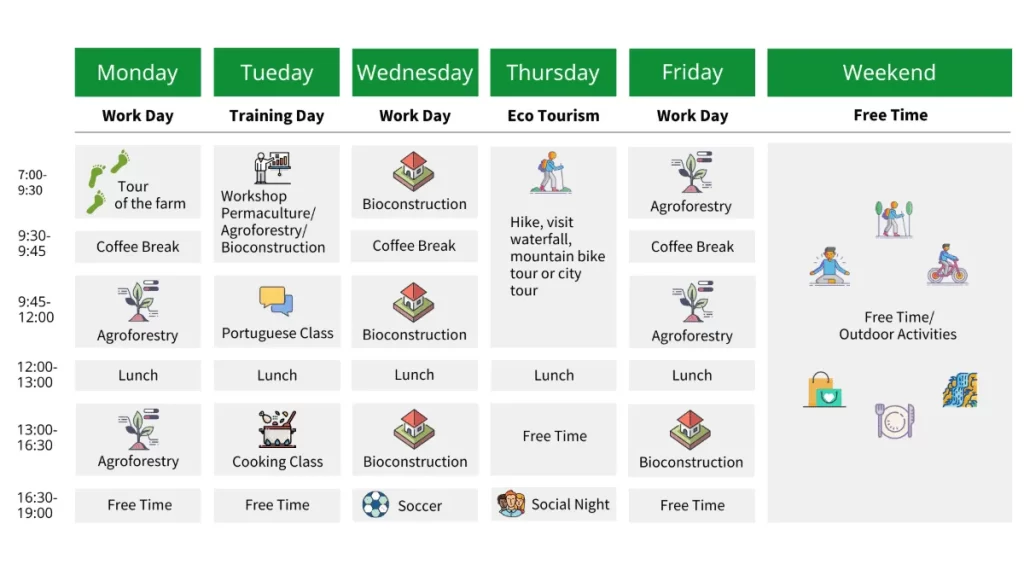
Life on the farm follows the rhythms of nature. Days begin with the sunrise and slow down as dusk arrives. Healthy food, physical activity, and meaningful outdoor work help people rediscover a balanced way of living.
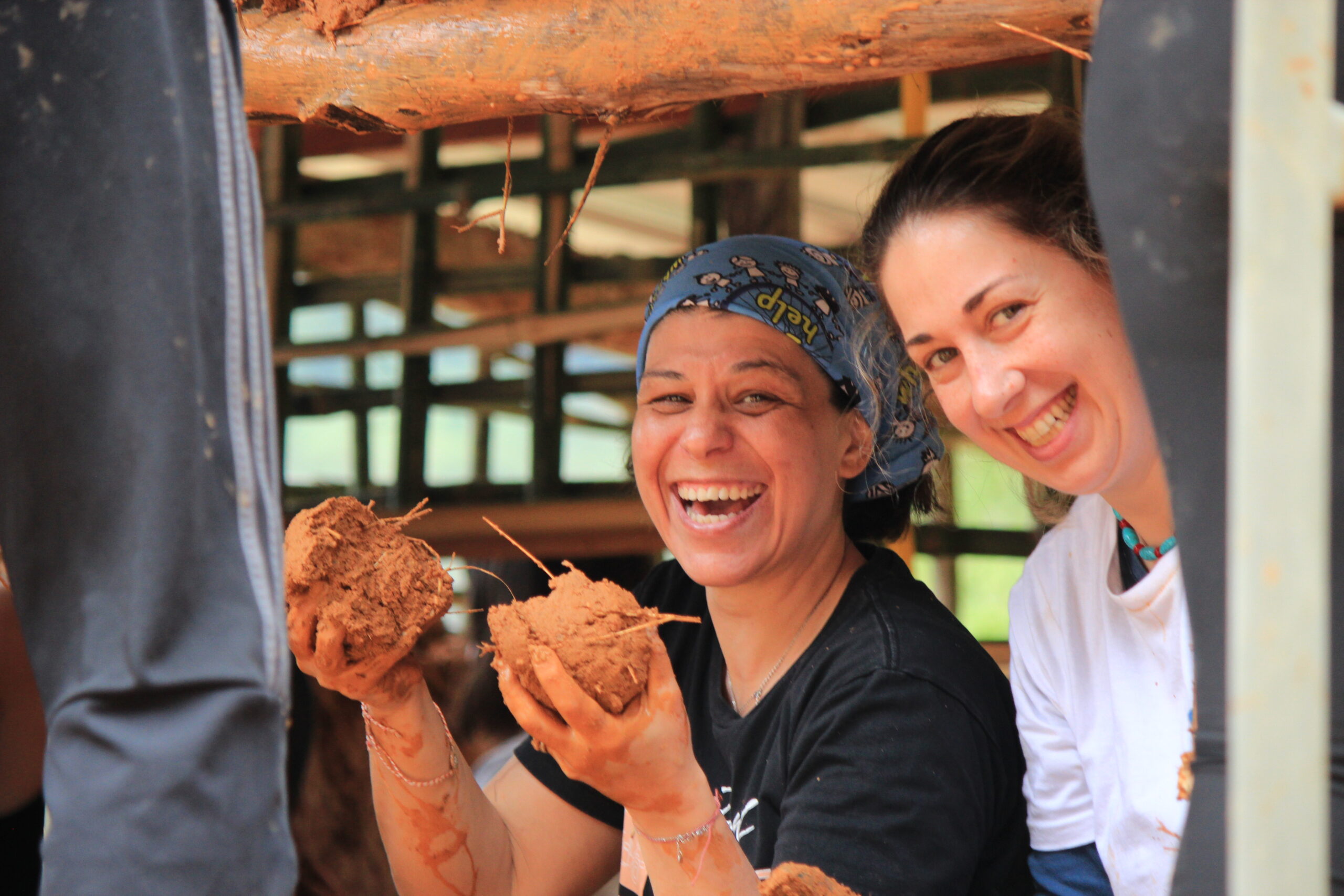
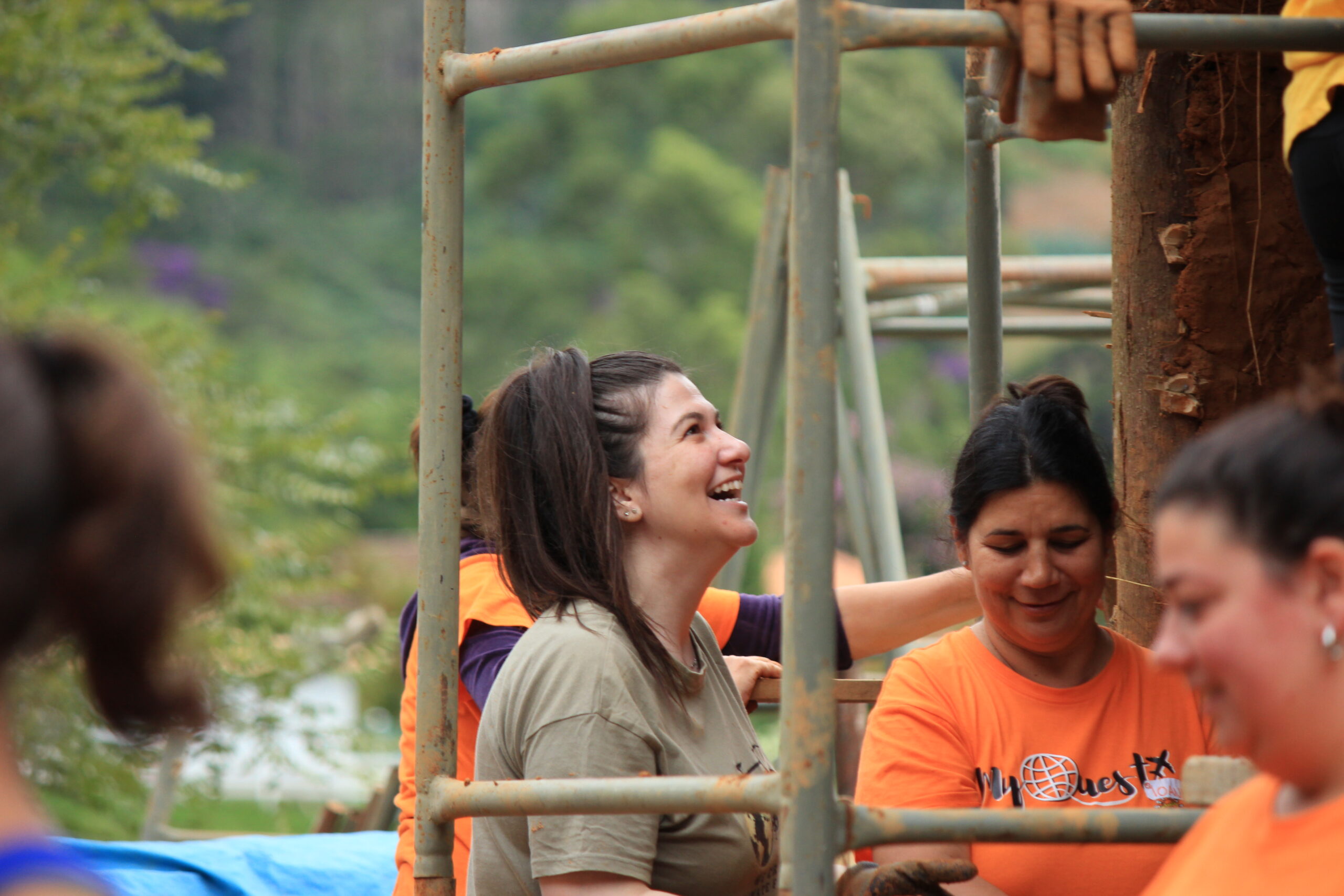
Participants experience simple but powerful moments such as gathering around a bonfire, swimming in natural pools, hiking in the mountains, and working with the land. Living together with people from many cultures encourages learning, cooperation, and personal growth.
Permaculture also requires discipline. Living sustainably is not achieved by simply admiring nature. It requires preparing soil, planting and harvesting food, building houses, recycling materials, and maintaining the systems that sustain life.
Through these experiences people learn that we are part of an intelligent ecosystem that has evolved over millions of years. Practices such as permaculture, agroforestry, and natural building bring us closer to nature and teach us how to live in harmony with it.
Community meetings provide space for people to express feelings, share ideas, and offer constructive feedback. When someone is ill or struggling, the community provides support and care.
In this volunteer program in Brazil, we offer flexible stays from 1 to 24 weeks and welcome people of all ages, cultures and backgrounds, with or without prior experience.
Our main goal is to create a positive impact on people, society and, eventually, in the world. If you are looking for a meaningful volunteer experience in Brazil, Eco Caminhos welcomes you.
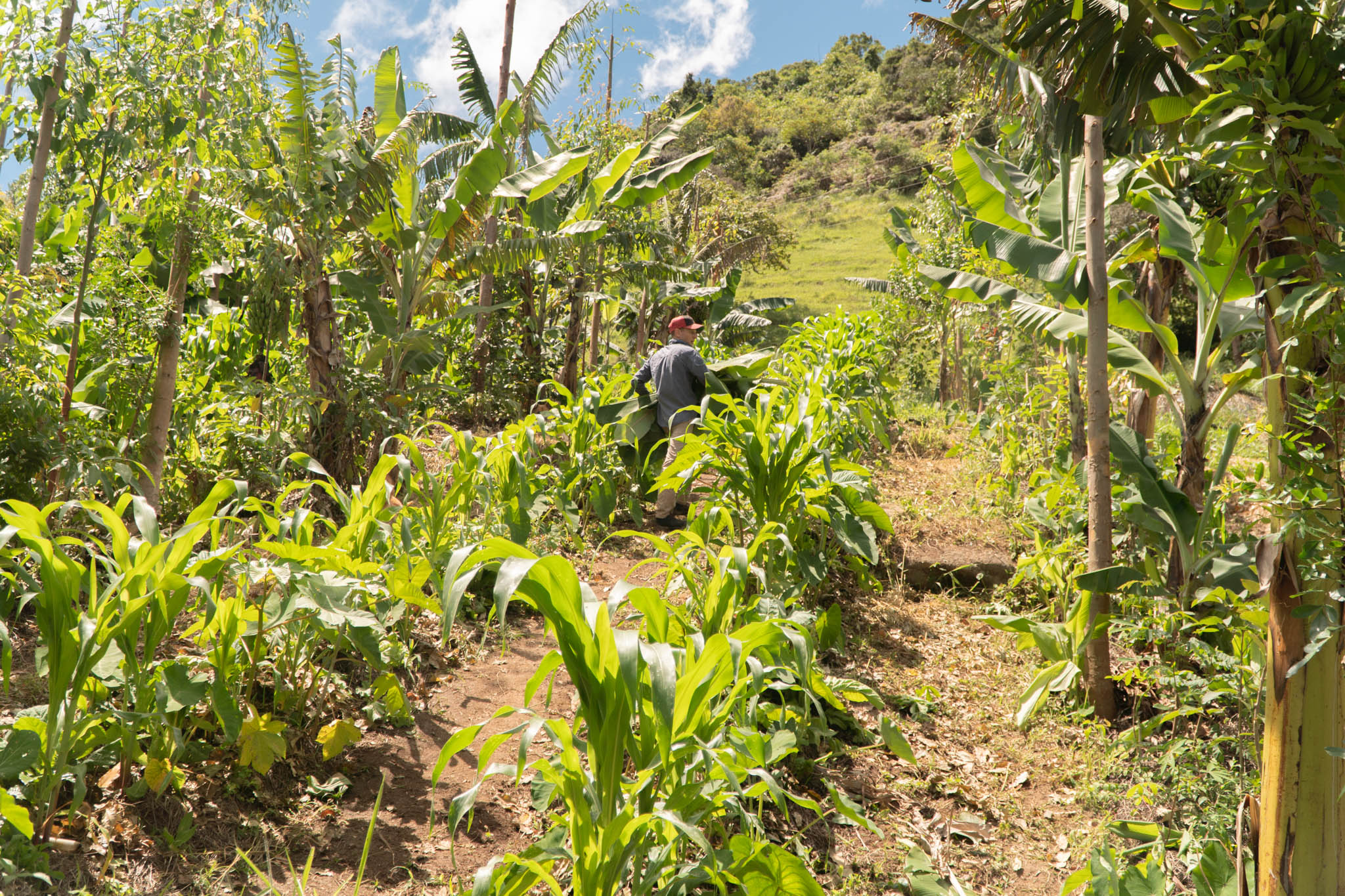
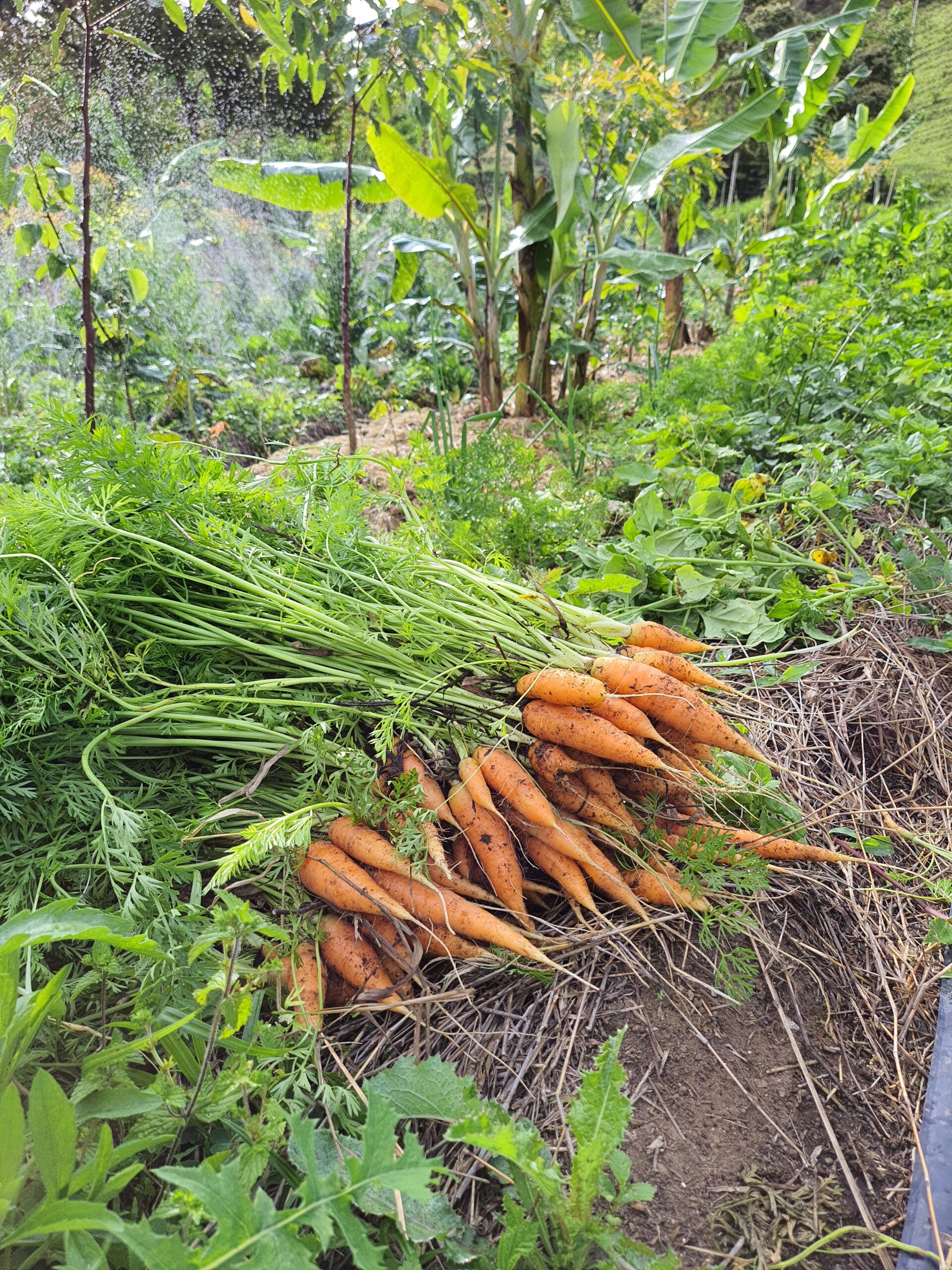
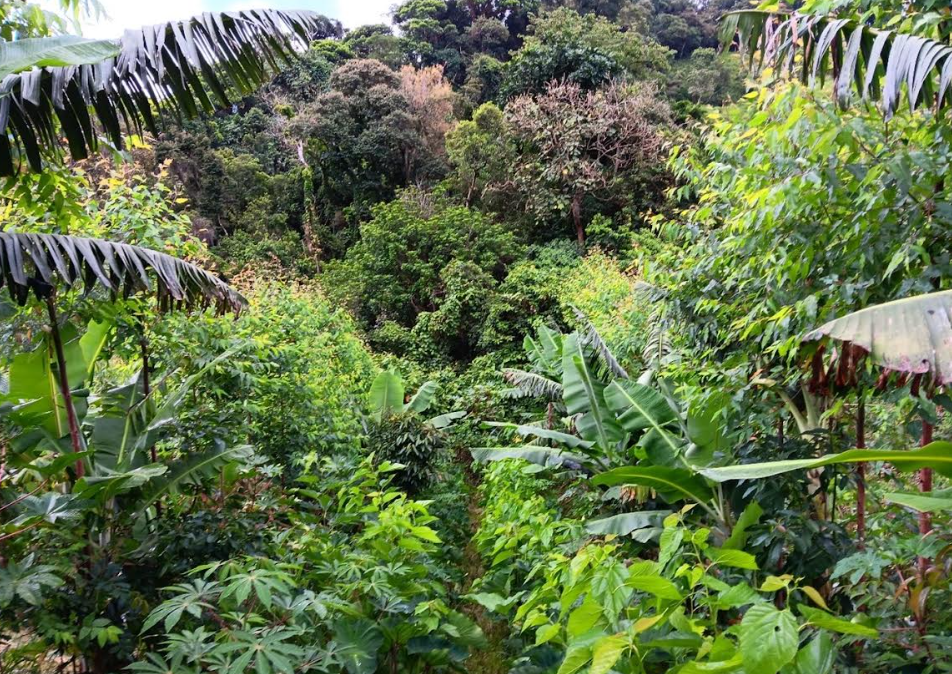
Food production is based on multi-strata agroforestry systems that mimic the structure and dynamics of natural forests.
Coffee is cultivated in the understory, supported by a diverse canopy of native and fruit trees, nitrogen-fixing species, dynamic accumulators, and biomass plants that drive nutrient cycling, improve soil structure, and regulate microclimates.
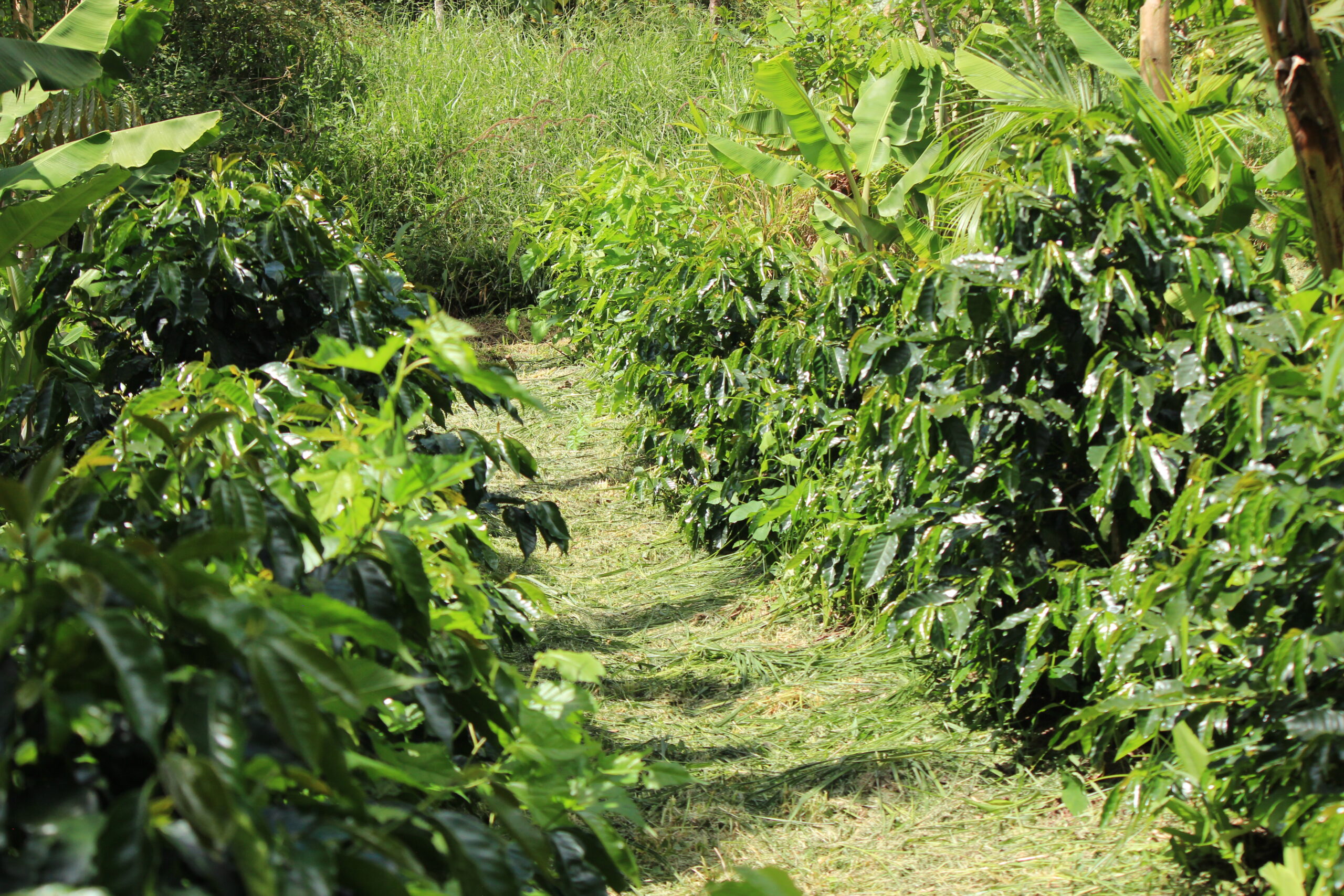
Additional system-support species attract pollinators, enhance biological pest control, and strengthen overall ecosystem resilience. Over time, these systems evolve into biodiverse, forest-like environments that restore ecological function while producing high-quality, economically viable coffee.
Water is carefully managed across the landscape through:
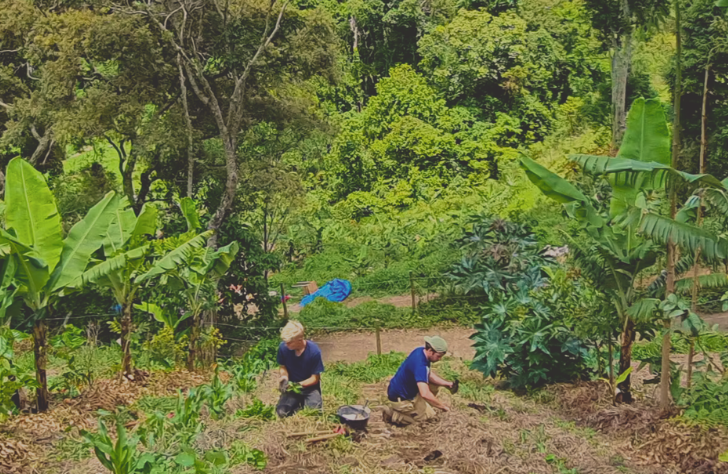
Agroforestry systems that increase water infiltration.
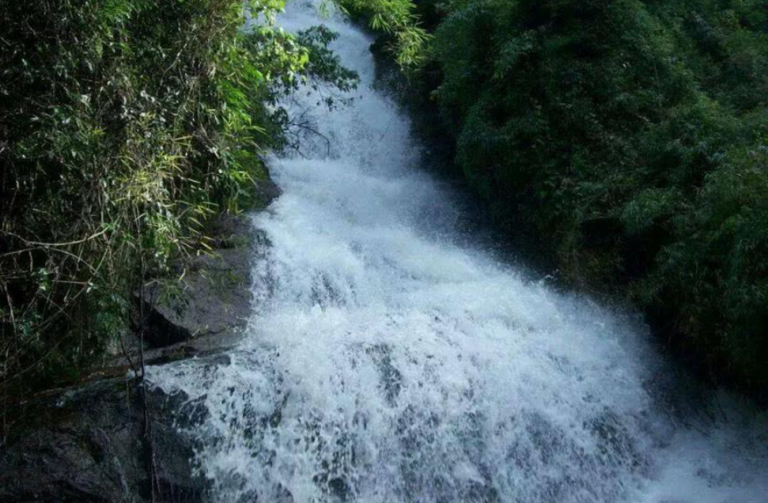
Protection of springs and natural water sources.
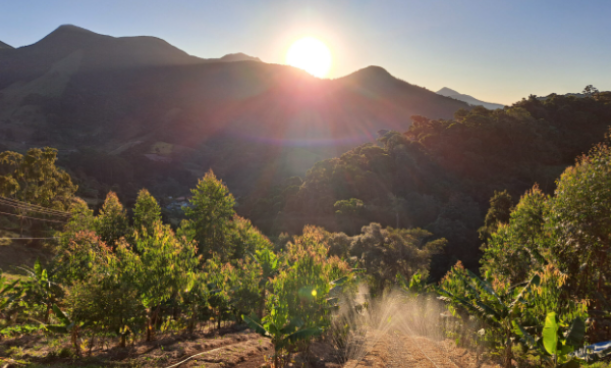
Efficient irrigation systems.
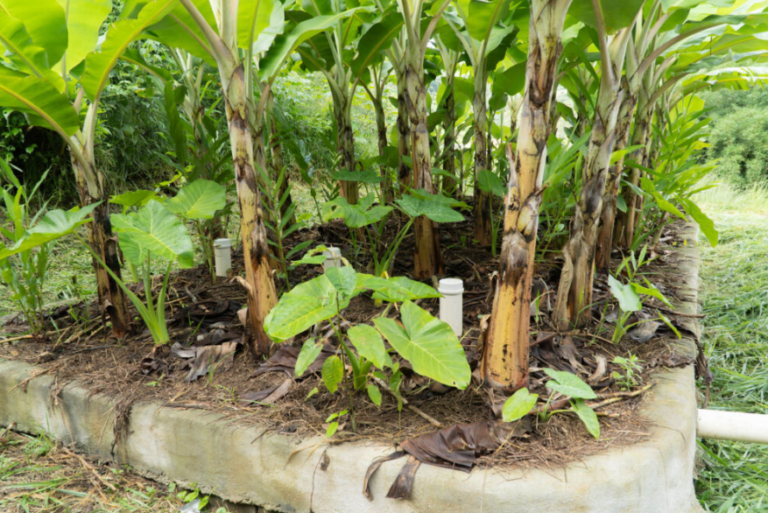
Evaporation basins that treat wastewater naturally.
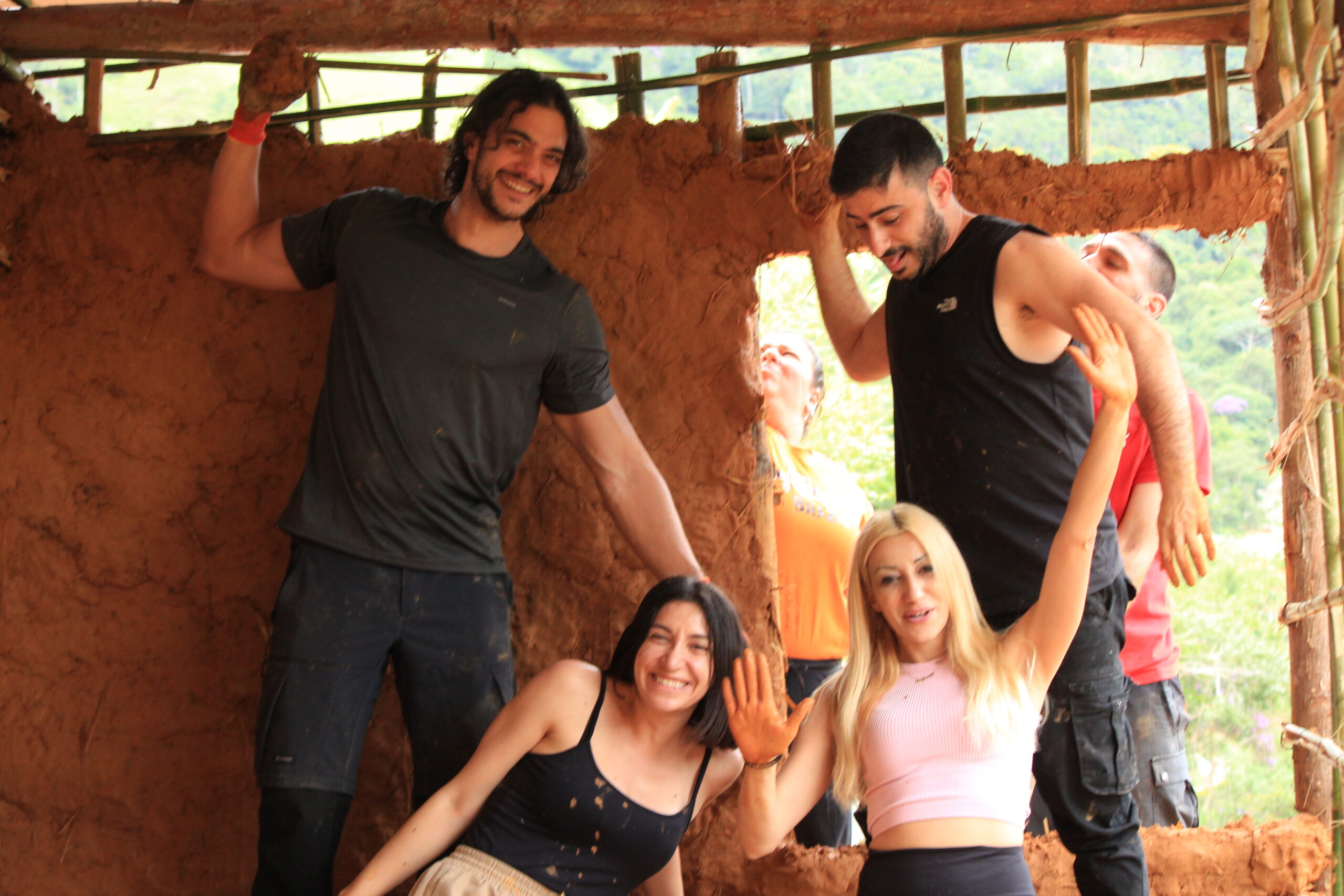
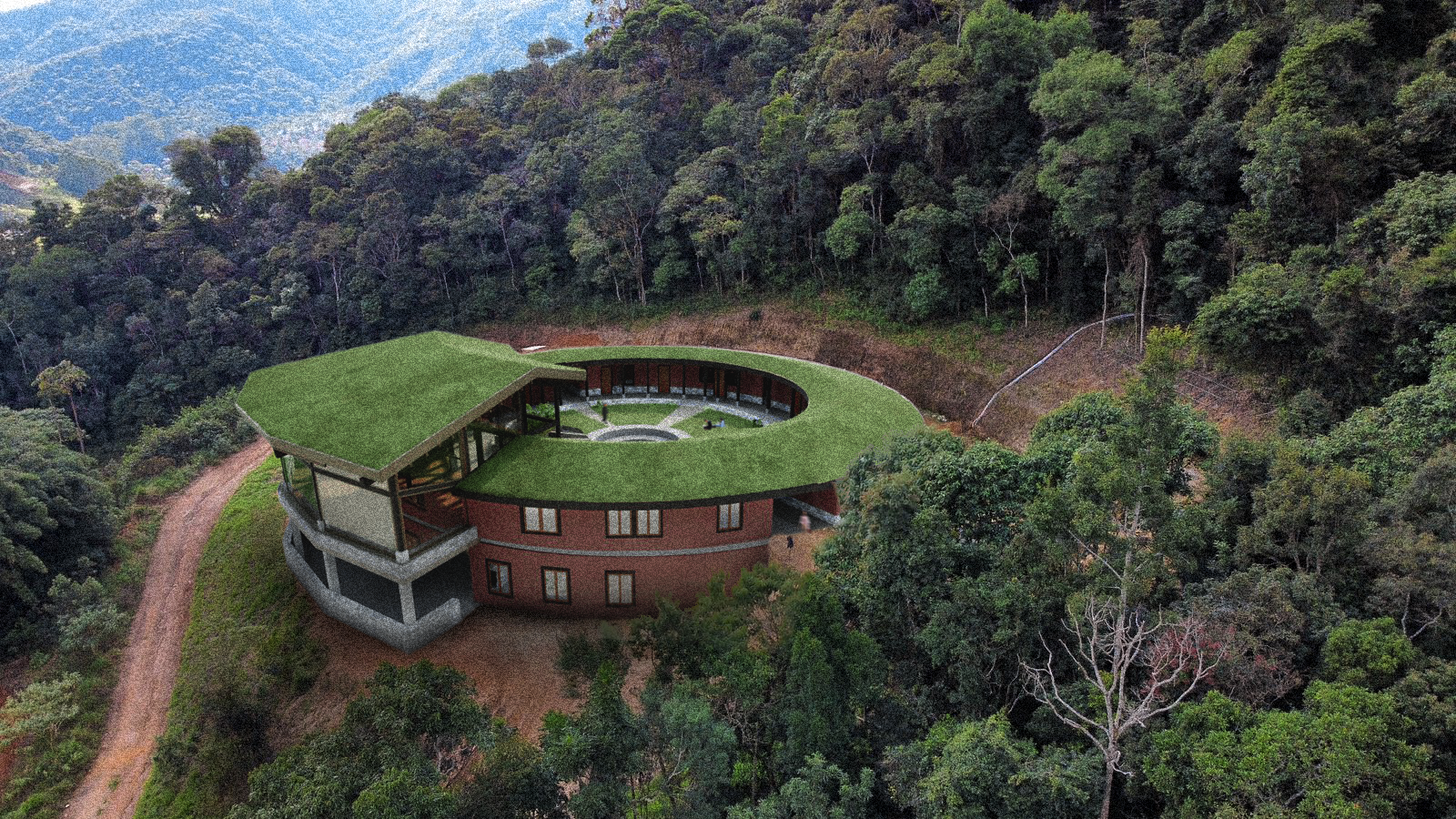
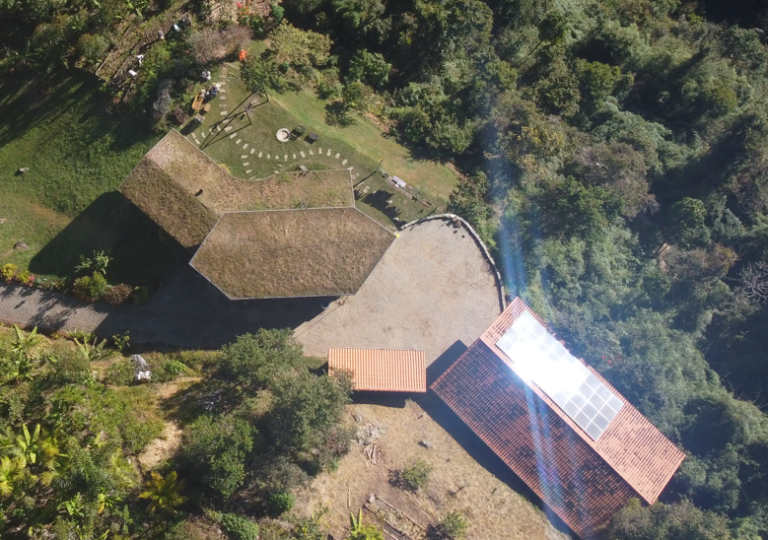
Eco Caminhos demonstrates natural building techniques using local materials such as clay, sand, bamboo, stone, and wood.
Thick cob walls, green roofs, and passive climate design create comfortable buildings with minimal environmental impact.
Energy efficiency comes first. Passive building design keeps houses warm in winter and cool in summer. All cold and hot water systems operate through gravity and thermosiphon systems, requiring no pumps.
Today Eco Caminhos is an energy-neutral farm. All energy used on the farm comes from natural sources, primarily solar energy and passive systems designed to capture and efficiently use natural energy flows.
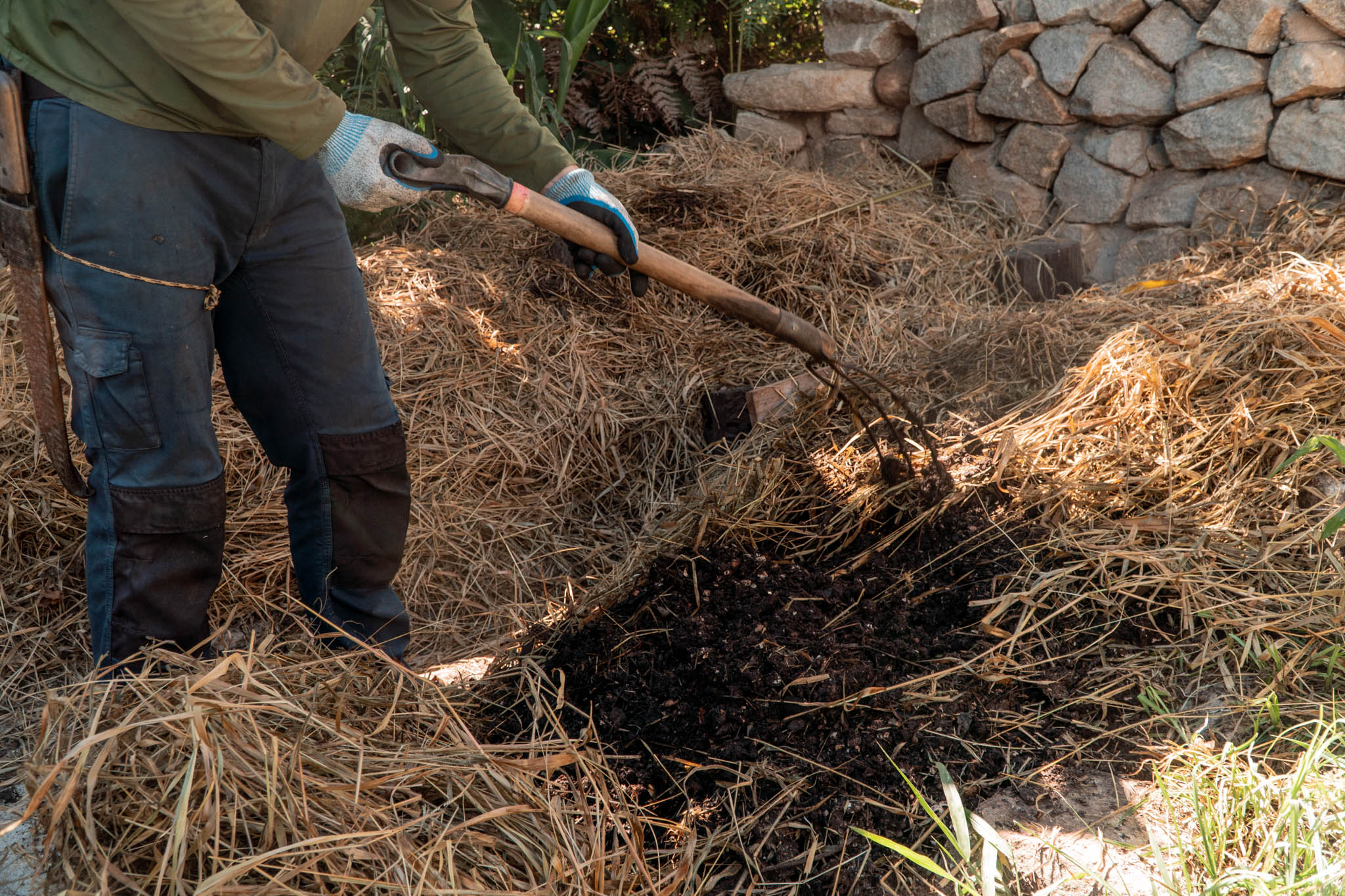
Regenerative cycles or circular processes are at the heart of permaculture, transforming “waste” into valuable resources and creating self-sustaining systems. On a farm like Eco Caminhos, these principles are made tangible via practical applications. Permaculture design eliminates waste by closing the loop: organic matter is composted, materials are reused, animal manure enriches agroforestry systems, biomass becomes mulch, and wastewater is treated through ecological systems, demonstrating how every output can become a new input.
1 – Organic waste > Compost > Food production
Food scraps, crop residues, and even cardboard are composted (or fed to worms in vermicompost). This compost return nutriet to the soil, which grown new food.
Cycle: Kitchen waste > Compost > Soil Fertility > Crops > Kitchen
2 – Wastewater > Banana Cycle > Food Production
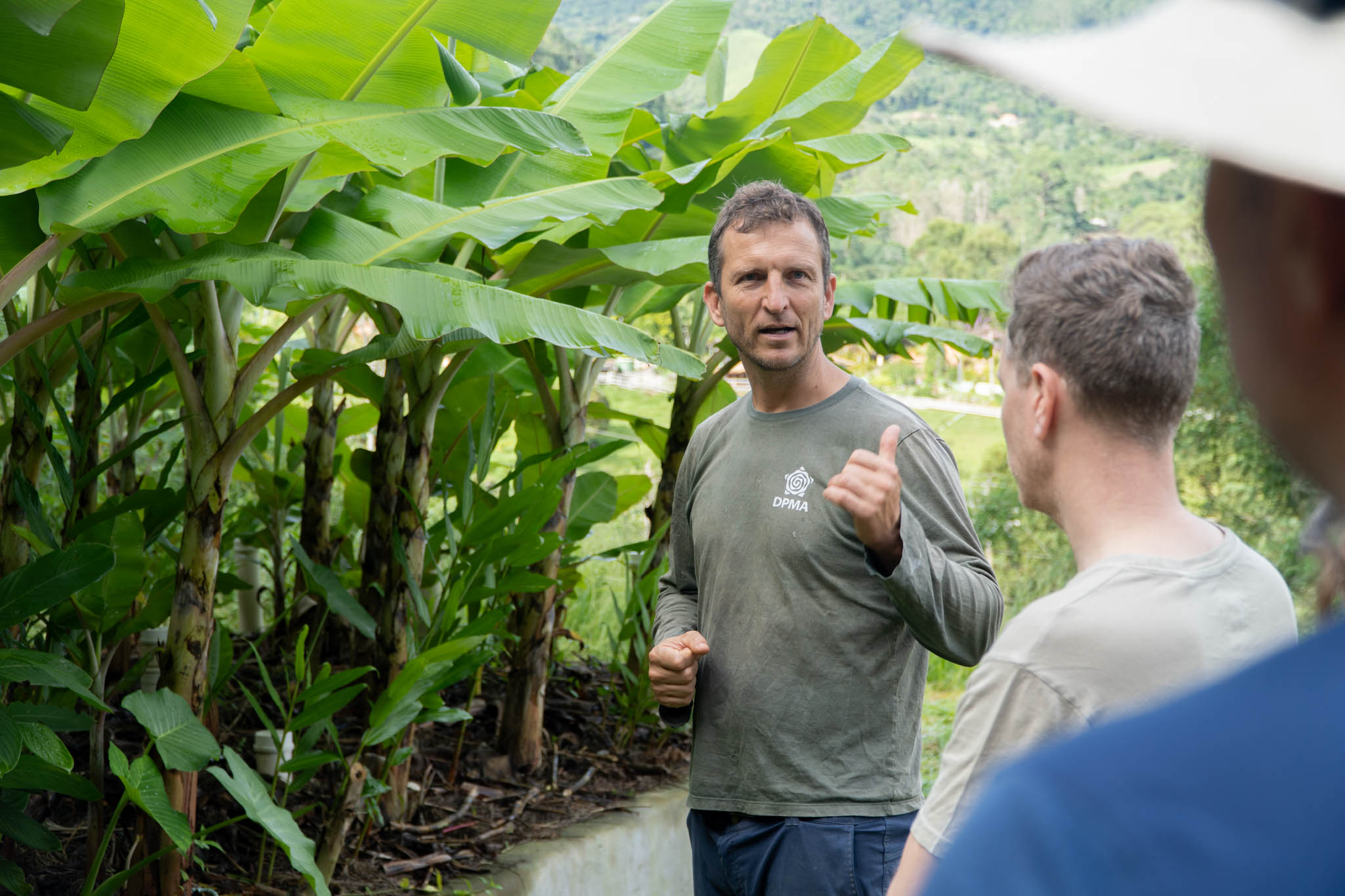
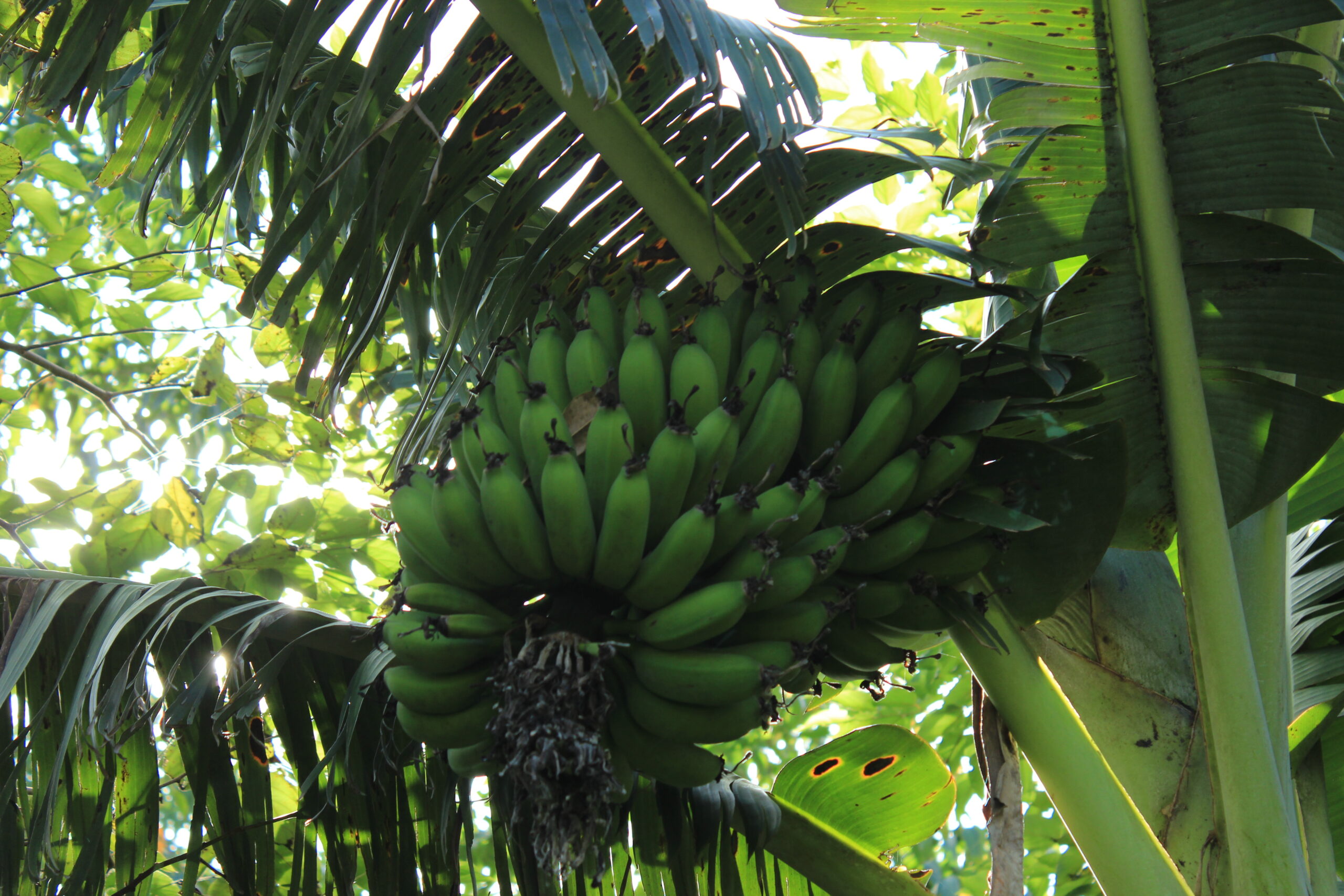
Graywater from showers and sinks is filtered through a banana circle or evapotranspiration system. Banana plants thrive on this nutrient-rich water.
Cycle: Graywater > Natural filtration > Plant growth > Food (bananas) > Consumption
3 – Animals > Manure > Soil > Crops > Animal Feed
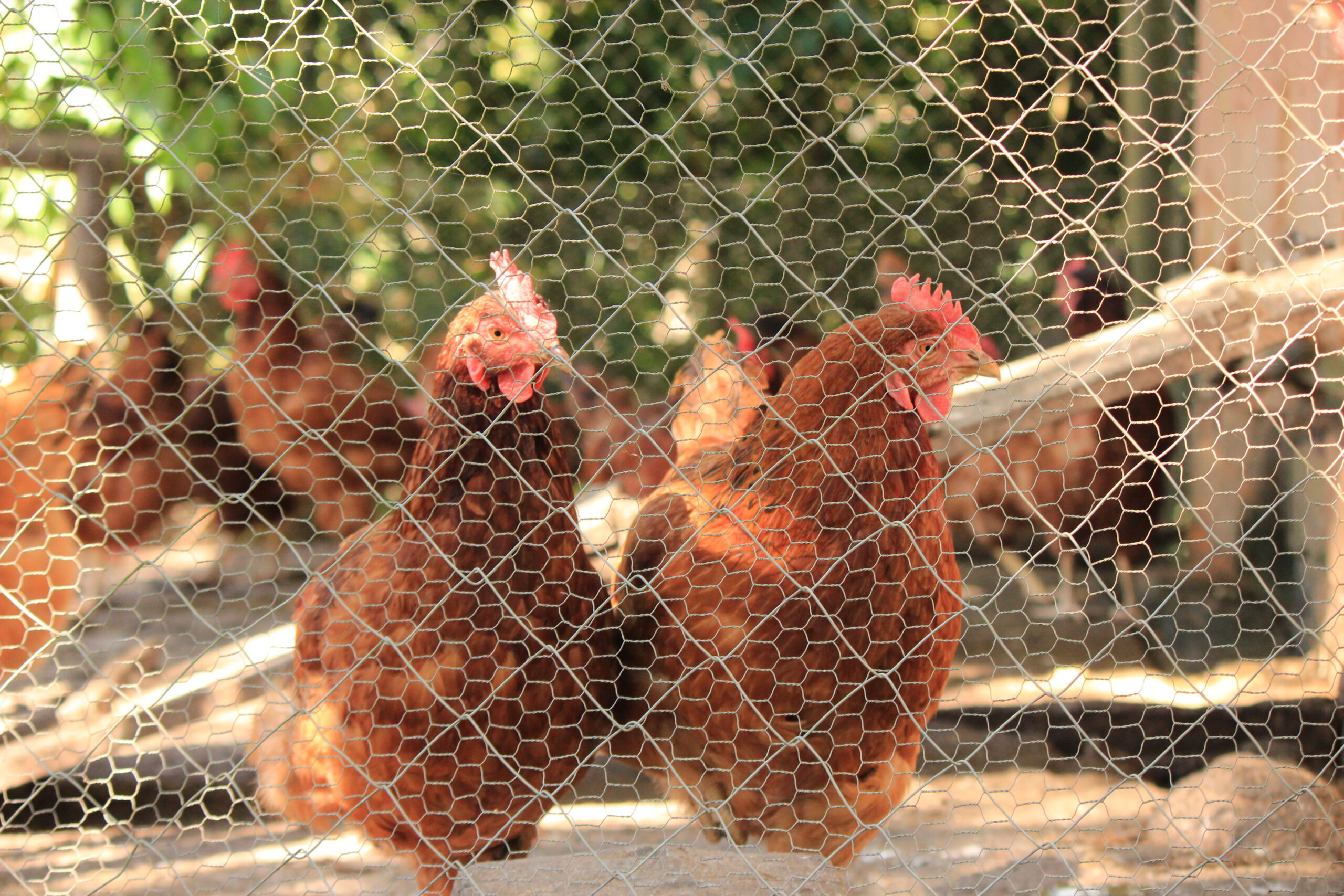
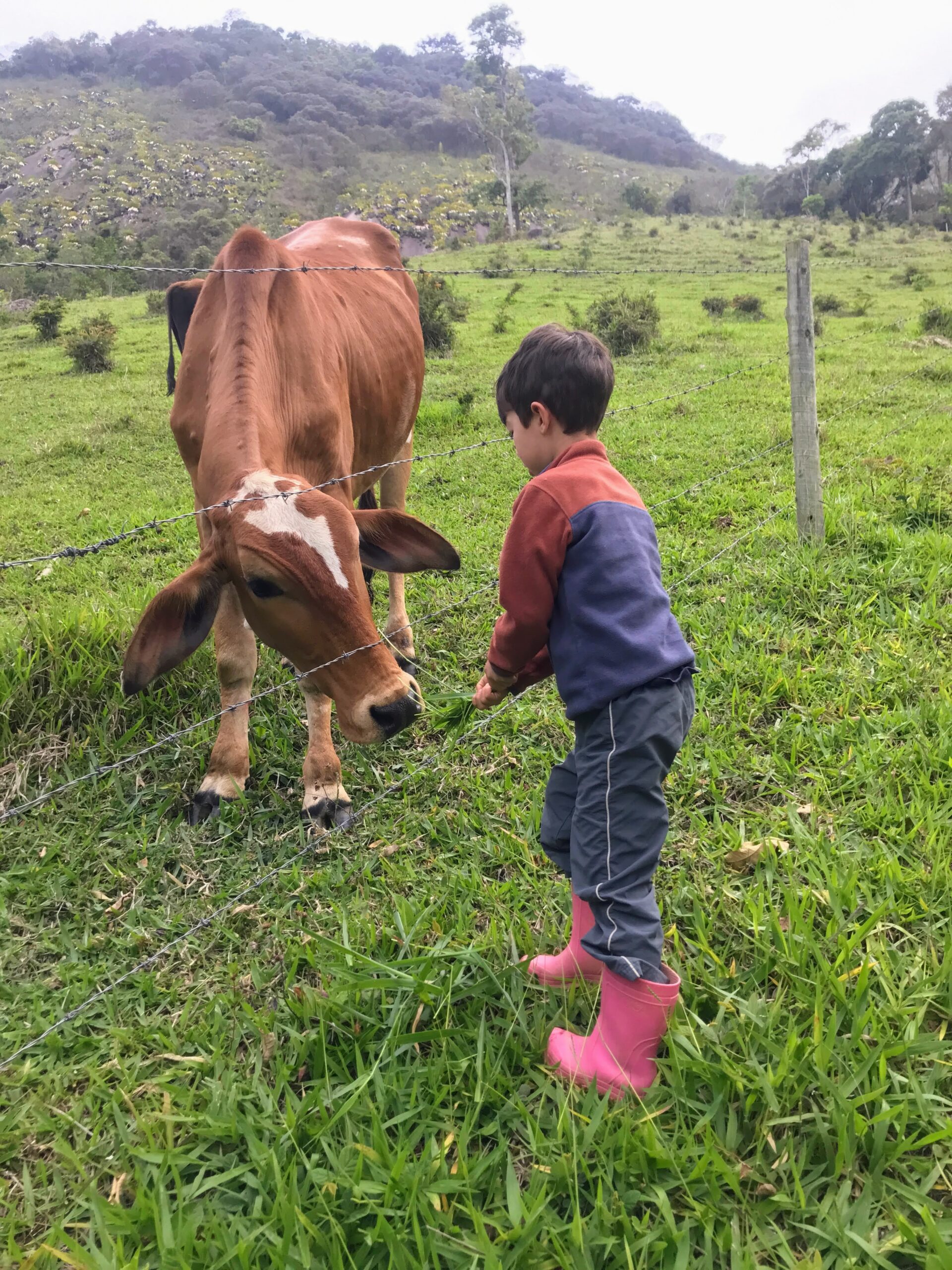
Chickens, cows, or other animals produce manure, which fertilizes the soil.That soil grows crops or pasture, which feed the animals again.
Cycle: Animals > Manure > Soil fertility > Plants > Animal feed
4 – Agroforestry system > Biomass > Mulch > Soil Regeneration
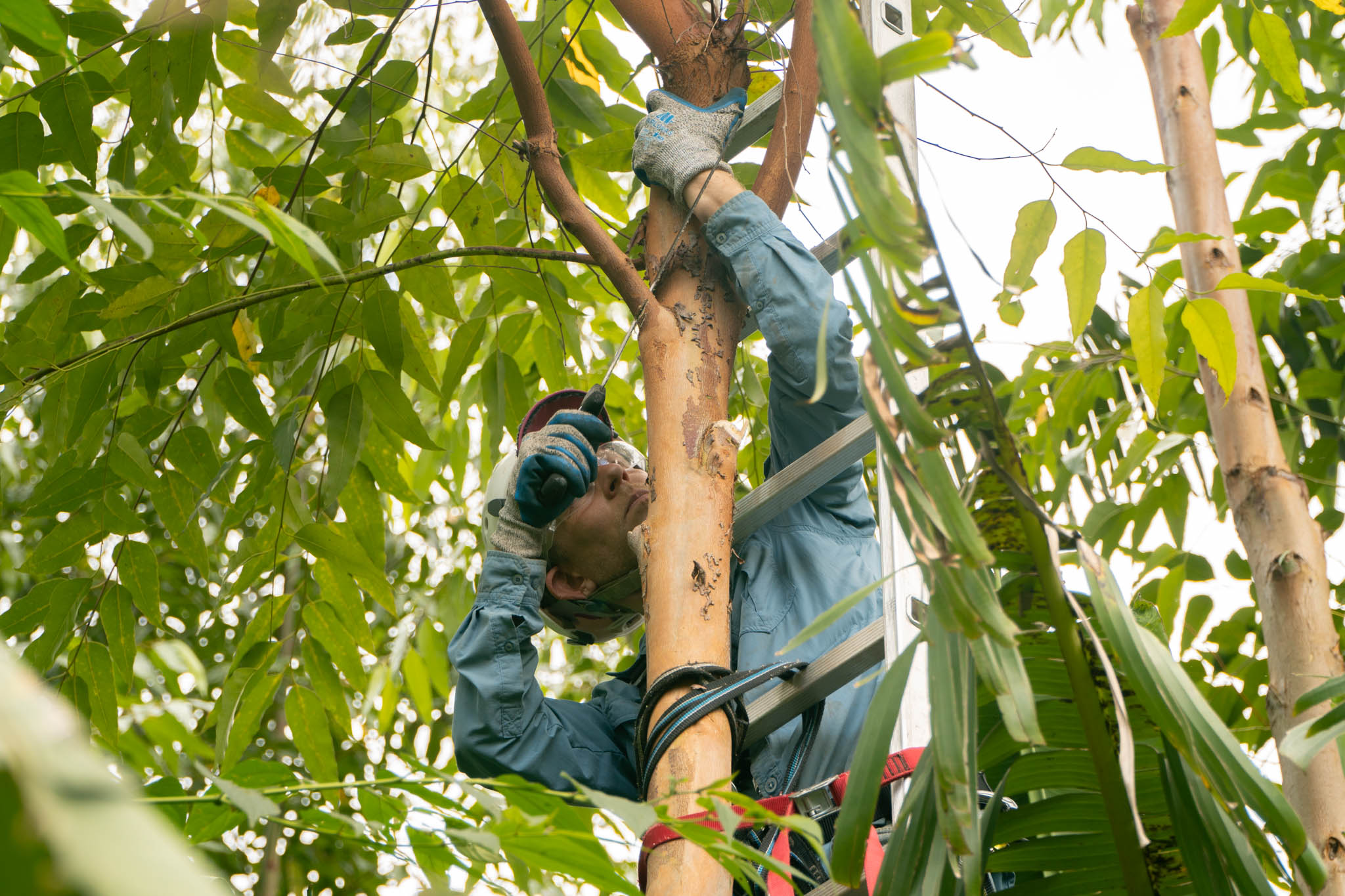
In agroforestry, trees are regularly pruned. The cut biomass is dropped on the soil (“chop and drop”), creating mulch that feeds microorganisms and retains moisture.
Cycle: Trees > Pruning biomass > Mulch > Soil life > Stronger plant growth
Eco Caminhos demonstrates that regenerative living is not only possible but practical. By reconnecting people with nature and applying permaculture in daily life, we work toward a future where agriculture, communities, and ecosystems thrive together.